

Writing Strategy for Education Content
1. Start with a Clear Purpose
Decide what you want the reader to gain:
- Teach a concept (e.g., online learning tips)
- Explain a system (education systems, courses)
- Persuade (why education matters)
👉 Example: “Help beginners understand how to study effectively online.”
2. Know Your Audience
Education content changes depending on who you’re writing for:
- Students → simple, practical tips
- Teachers → deeper insights, strategies
- General audience → clear explanations, real-life examples
3. Use a Simple High-Converting Structure
A. Hook (Introduction)
Grab attention:
- Ask a question
- Share a surprising fact
- Present a problem
👉 “Why do some students study for hours but still fail?”
B. Body (Main Content)
Break into clear sections:
- Use headings
- Give examples
- Keep paragraphs short
👉 Example sections:
- Study techniques
- Time management
- Tools and resources
C. Conclusion
- Summarize key points
- Add a call to action
👉 “Start applying one strategy today and track your progress.”
4. Keep Language Simple and Clear
Avoid complex words unless necessary.
Use:
- Short sentences
- Everyday language
- Bullet points for clarity
5. Add Value with Examples
Don’t just explain—show:
- Real-life examples
- Case studies
- Step-by-step guides

6. Make It Engaging
- Ask questions
- Use storytelling
- Include relatable situations
7. Optimize for Online Readers
If this is for blogs or e-commerce:
- Use keywords (education, learning tips, study guide)
- Add subheadings (H2, H3)
- Keep it scannable
✏️ Example Title Ideas
- “10 Smart Study Strategies for Students in 2026”
- “How to Learn Faster: Proven Education Techniques”
- “The Ultimate Guide to Effective Learning
📚 Writing Strategy for Education Content
1. Start with a Clear Purpose
Decide what you want the reader to gain:
- Teach a concept (e.g., online learning tips)
- Explain a system (education systems, courses)
- Persuade (why education matters)
👉 Example: “Help beginners understand how to study effectively online.”
2. Know Your Audience
Education content changes depending on who you’re writing for:
- Students → simple, practical tips
- Teachers → deeper insights, strategies
- General audience → clear explanations, real-life examples
3. Use a Simple High-Converting Structure
A. Hook (Introduction)
Grab attention:
- Ask a question
- Share a surprising fact
- Present a problem
👉 “Why do some students study for hours but still fail?”
B. Body (Main Content)
Break into clear sections:
- Use headings
- Give examples
- Keep paragraphs short
👉 Example sections:
- Study techniques
- Time management
- Tools and resources
C. Conclusion
- Summarize key points
- Add a call to action
👉 “Start applying one strategy today and track your progress.”
4. Keep Language Simple and Clear
Avoid complex words unless necessary.
Use:
- Short sentences
- Everyday language
- Bullet points for clarity
5. Add Value with Examples
Don’t just explain—show:
- Real-life examples
- Case studies
- Step-by-step guides
6. Make It Engaging
- Ask questions
- Use storytelling
- Include relatable situations
7. Optimize for Online Readers
If this is for blogs or e-commerce:
- Use keywords (education, learning tips, study guide)
- Add subheadings (H2, H3)
- Keep it scannable
✏️ Example Title Ideas
- “10 Smart Study Strategies for Students in 2026”
- “How to Learn Faster: Proven Education Techniques”
- “The Ultimate Guide to Effective Learning”
🧠 Quick Tip
Good education writing is not about sounding smart—it’s about making the reader understand easily.
If you want, I can:
- Write a full education article
- Create SEO titles + descriptions
- Or generate images for your content 👍
writing bosts adication
Looks like you meant “writing blog posts about education.” Here’s a simple, effective way to create strong education blog content 👇

✍️ How to Write Blog Posts About Education
1. Choose a Clear Topic
Focus on one specific idea:
- Study tips
- Online learning
- School challenges
- Teaching methods

👉 Example topics:
- “How to Study Effectively at Home”
- “Best Online Learning Tips for Beginners”
2. Create a Strong Title
Your title should be clear and catchy:
- “10 Powerful Study Tips Every Student Should Know”
- “How to Learn Faster Without Stress”
3. Use a Simple Blog Structure
🔹 Introduction (Hook)
- Ask a question or highlight a problem
👉 “Do you struggle to remember what you study?”
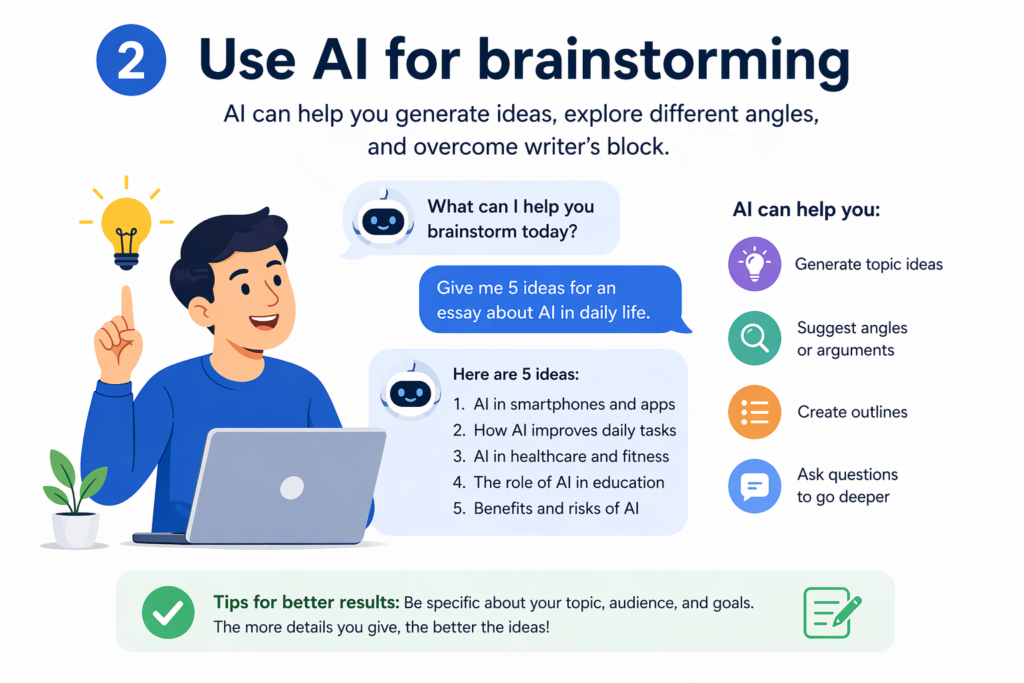
🔹 Body (Main Content)
Break into sections with headings:
- Tip 1
- Tip 2
- Tip 3
Keep paragraphs short and easy to read.
🔹 Conclusion
- Summarize key ideas
- Add advice or motivation
👉 “Start small—improve one habit today