


Introduction.NordVPN is one of the most widely used virtual private network (VPN) services designed to help users improve their online privacy, security, and freedom. It works by encrypting internet traffic and routing it through remote servers, making it harder for third parties
Key Features Explained
NordVPN comes with a wide range of features designed to improve online privacy, security, and browsing flexibility. Below is a clear breakdown of its most important features and what they actually mean in practice. best email marketing tools
1. Military-Grade Encryption
NordVPN uses AES-256 encryption, which is one of the strongest encryption standards available today. In simple terms, this scrambles your internet traffic so that no one—such as hackers, internet providers, or third parties—can read it.
Why it matters:
It keeps your data secure, especially when using public Wi-Fi networks like airports, cafes, or hotels.
📌 Image suggestion: Screenshot or diagram showing “encrypted vs unencrypted traffic”
2. Strict No-Logs Policy
One of the core selling points of NordVPN is its no-logs policy. This means it does not track, store, or share your browsing activity.
Why it matters:
Even if someone requests user data, there is nothing meaningful to hand over.
📌 Image suggestion: Simple infographic showing “No Logs = No Data Stored”
3. Global Server Network
NordVPN offers a large network of servers spread across many countries. This allows users to connect from different regions with just one click.
Why it matters:
- Better connection speeds due to less congestion
- Ability to access content from different countries
- More reliable connections overall
📌 Image suggestion: World map highlighting server locations
4. NordLynx Protocol (Fast Connections)
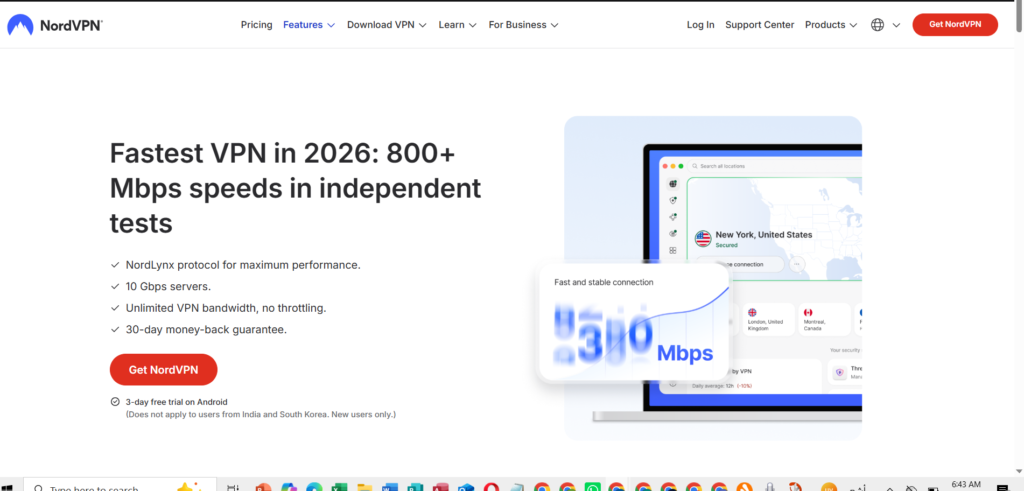
NordVPN uses a custom protocol called NordLynx, built around WireGuard technology. It is designed to deliver fast and stable connections without sacrificing security.
Why it matters:
- Faster browsing and downloads
- Smooth streaming in HD or 4K
- Lower latency for online gaming
📌 Image suggestion: Speed comparison chart (NordLynx vs older VPN protocols)
5. Threat Protection Feature
NordVPN includes a built-in security tool called Threat Protection. It helps block malicious websites, trackers, and unwanted ads.
Why it matters:
- Reduces exposure to malware and phishing sites
- Improves browsing speed by blocking ads
- Enhances overall online safety
📌 Image suggestion: Browser screen showing ads and trackers being blocked
6. Kill Switch
The kill switch automatically disconnects your internet if the VPN connection drops unexpectedly.
Why it matters:
It prevents your real IP address or data from being exposed, even for a few seconds.
📌 Image suggestion: Simple diagram showing VPN disconnect → internet blocked
7. Multi-Device Support
NordVPN works across multiple platforms including Windows, macOS, Android, iOS, and Linux. It also allows multiple simultaneous connections under one account.
Why it matters:
You can protect all your devices—phone, laptop, and tablet—without needing separate subscriptions.
📌 Image suggestion: Devices (phone, laptop, tablet) connected to one VPN shield
Summary
The key features of NordVPN focus on three main areas: strong security, fast performance, and user-friendly privacy tools. Together, these features make it a solid option for users who want both protection and speed without complicated setup.
Security and Privacy
When people search for NordVPN, security and privacy are usually the main reasons. NordVPN is built specifically to protect user data and keep online activity private from hackers, advertisers, and even internet service providers.
Strong Encryption Standards
NordVPN uses AES-256 encryption, which is considered one of the most secure encryption methods in the world. This means your internet traffic is converted into unreadable data before it leaves your device.
In simple terms:
Even if someone intercepts your data, they cannot understand it.
📌 Image suggestion: Diagram showing “before encryption vs after encryption”
Strict No-Logs Policy
A key part of NordVPN’s privacy system is its no-logs policy. This means NordVPN does not collect or store:
- Browsing history
- IP addresses
- Connection timestamps
- Online activity
Why this matters:
Even if data is requested by authorities, there is nothing useful to provide.
📌 Image suggestion: “No logs stored” shield graphic or privacy lock illustration
BEST EMAIL MARKETING TOOL
Secure VPN Tunneling
NordVPN creates a secure encrypted tunnel between your device and the internet. All data passes through this tunnel before reaching websites.
Why it matters:
- Protects data on public Wi-Fi
- Prevents tracking by third parties
- Reduces risk of data interception
📌 Image suggestion: Simple tunnel diagram showing user → VPN server → internet
Kill Switch Protection
If the VPN connection suddenly drops, NordVPN’s kill switch immediately blocks internet access.
Why it matters:
This prevents your real IP address or unprotected data from being exposed, even for a moment.
📌 Image suggestion: Flowchart showing VPN disconnect triggering internet shutdown
DNS Leak Protection
NordVPN includes DNS leak protection to ensure that your browsing requests are always routed through its encrypted servers instead of your internet provider.
Why it matters:
It prevents accidental exposure of websites you visit.
📌 Image suggestion: Illustration of DNS request being redirected through VPN server
Privacy on Public Wi-Fi
One of the biggest risks online comes from unsecured public Wi-Fi networks. NordVPN encrypts all traffic, making it safe to use Wi-Fi in places like:
- Airports
- Hotels
- Cafes
Speed and Performance
Speed and Performance refers to how quickly and efficiently a system, device, website, or application completes tasks while using available resources such as CPU, memory, and network bandwidth. In simple terms, it measures how fast something works and how smoothly it operates under different conditions.
Why Speed and Performance Matter
Speed and Performance directly affect user experience. When a system is fast and responsive, users can complete tasks without delay or frustration. In contrast, slow performance can lead to dropped engagement, lower productivity, and poor satisfaction.
This is especially important in areas like:
- Websites and mobile apps
- Computer hardware and software
- Online services and games
- Business systems and databases
Key Factors That Affect Speed and Performance
Several elements influence Speed and Performance:
- Processing Power (CPU): Determines how quickly tasks are executed.
- Memory (RAM): Affects how many tasks can run smoothly at the same time.
- Storage Type: SSDs are significantly faster than traditional hard drives.
- Network Speed: Impacts loading times for online content and services.
- Code Efficiency: Poorly optimized software slows down even powerful systems.
How Speed and Performance Are Improved
Improving Speed and Performance usually involves optimizing both hardware and software:
- Reducing unnecessary background processes
- Optimizing code and removing inefficiencies
- Using caching to store frequently accessed data
- Upgrading hardware components when needed
- Compressing files and media for faster loading
Real-World Impact
Even small improvements in Speed and Performance can have a major impact. For example, faster websites tend to rank higher in search engines and retain more visitors. In business systems, improved performance can increase productivity and reduce operational costs.
If you want, I can also turn this into an SEO blog post with headings optimized for search engines and a meta description.
For Streaming and Netflix
Speed and Performance for Streaming and Netflix refers to how smoothly video content plays on platforms like Netflix without buffering, lag, or quality drops. Good speed and performance ensure that videos load quickly, play in high resolution, and remain stable even during peak internet usage.
Why Speed and Performance Matter for Streaming
Streaming services rely heavily on a stable internet connection and efficient device performance. If either is weak, users may experience buffering, long loading times, or reduced video quality.
High Speed and Performance for Streaming and Netflix ensures:
- Instant or fast video playback start
- Smooth streaming without buffering
- Consistent HD or 4K quality
- Fewer interruptions during watching
Key Factors That Affect Streaming Performance
- Internet Speed: Higher speeds allow smoother playback, especially for HD and 4K content.
- Wi-Fi Stability: Weak or unstable connections can cause buffering.
- Device Performance: Older devices may struggle with high-resolution streaming.
- Server Load: Streaming quality can drop during peak usage times.
- Background Apps: Other apps using bandwidth can slow down streaming.
Recommended Internet Speeds for Netflix
- 3 Mbps: SD quality
- 5 Mbps: HD quality
- 15–25 Mbps: 4K Ultra HD streaming
To maintain strong Speed and Performance for Streaming and Netflix, a higher speed than the minimum is always better, especially if multiple devices are connected.
How to Improve Streaming Speed and Performance
- Use a wired Ethernet connection instead of Wi-Fi when possible
- Move closer to your Wi-Fi router for a stronger signal
- Close unused apps or downloads running in the background
- Lower video quality if the internet connection is unstable
- Restart your router regularly to refresh the connection
Common Problems Caused by Poor Performance
- Buffering or freezing videos
- Low-quality playback even on fast internet plans
- Audio and video not syncing properly
- Frequent interruptions during peak hours
Where to Add Images
- Key Factors section
- Icons or illustrations of Wi-Fi, router, device, and internet speed meter.
- Recommended Internet Speeds
- A simple chart or infographic showing SD, HD, and 4K requirements.
- How to Improve Streaming
- Step-by-step visuals (e.g., moving closer to router, switching to Ethernet cable).
- After the introduction
- Add a visual showing Netflix buffering vs smooth playback.
- Common Problems section
- A screenshot-style image of buffering/loading spinner on a streaming screen.
If you want, I can combine this with the previous section into a full SEO-optimized article on Speed and Performance.
Pricing and Subscription Plans
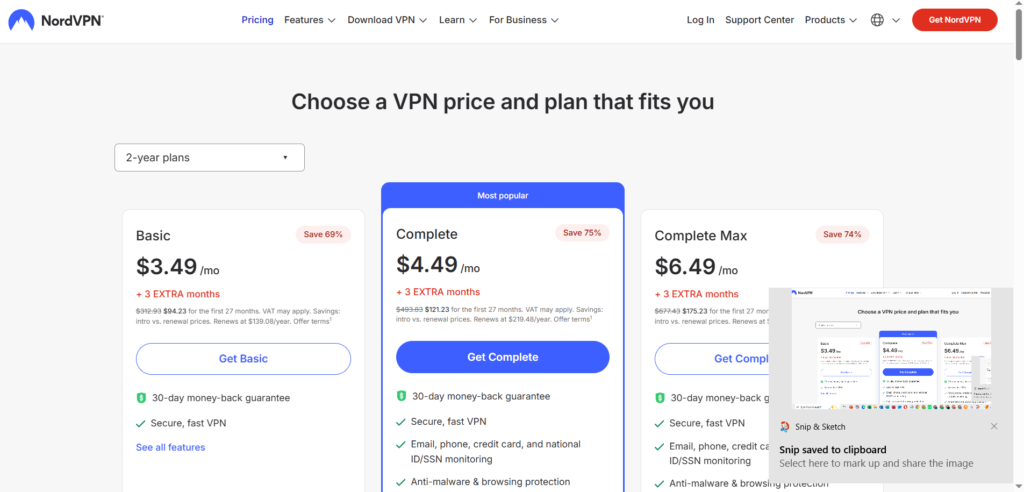
When choosing a service or product, Pricing and Subscription Plans determine how much you pay and what features you get in return. These plans are usually structured to match different user needs, from basic use to premium experiences with higher Speed and Performance.
Why Pricing and Subscription Plans Matter
Different users have different requirements. Some may only need basic features, while others want advanced tools, higher quality, or better Speed and Performance.
Good Pricing and Subscription Plans help users:
- Choose a plan that fits their budget
- Access the right level of features
- Upgrade or downgrade easily as needed
- Pay only for what they actually use
Common Types of Subscription Plans
- Free Plan: Limited features, often includes ads or restrictions
- Basic Plan: Affordable option with standard features and moderate performance
- Standard Plan: Balanced features with improved quality and better Speed and Performance
- Premium Plan: Full features, highest quality, and priority Speed and Performance
- Family or Shared Plan: Multiple users under one account at a reduced cost per person
How Pricing Affects Speed and Performance
In many services, higher-priced plans often include better Speed and Performance, such as:
- Faster loading times
- Higher video or content quality
- Less buffering or downtime
- Priority access during peak usage
This is especially common in streaming, cloud storage, and software services.
Things to Consider Before Choosing a Plan
Before selecting a Pricing and Subscription Plans option, consider:
- Your usage level (light, moderate, or heavy)
- Required quality (HD, 4K, or standard)
- Number of users sharing the account
- Importance of Speed and Performance for your needs
- Flexibility to cancel or change plans
Tips for Choosing the Right Plan
- Start with a lower plan and upgrade if needed
- Compare features carefully before paying
- Check if higher plans actually improve Speed and Performance for your use case
- Look for annual discounts if you plan to use the service long-term
Where to Add Images
- After the introduction
- A comparison graphic of different subscription tiers (Free vs Basic vs Premium).
- Common Types of Subscription Plans section
- Icons representing each plan type (free, basic, standard, premium, family).
- How Pricing Affects Speed and Performance
- A visual showing improved performance (e.g., faster loading bar or HD vs 4K quality comparison).
- Things to Consider section
- Checklist-style infographic for selecting the right plan.
- Tips for Choosing the Right Plan
- Simple decision flowchart guiding users to the best subscription option.
If you want, I can next combine all three sections into a single structured SEO article with internal linking and meta optimization.
Ease of Use and Apps
Ease of Use and Apps refers to how simple and intuitive it is for users to navigate a service through its applications on mobile devices, tablets, or computers. It focuses on making tasks easy to complete without confusion, while also ensuring smooth Speed and Performance during usage.
Why Ease of Use and Apps Matters
A service can have powerful features, but if it is difficult to use, users may quickly lose interest. Good Ease of Use and Apps improves user satisfaction and helps people complete tasks faster with less effort.
It is especially important for:
- Streaming platforms
- Banking and finance apps
- Productivity tools
- E-commerce applications
Key Elements of Ease of Use and Apps
- Simple Interface: Clean layouts that are easy to understand
- Fast Navigation: Quick access to main features without delays
- Responsive Design: Works well on different screen sizes
- Stable Performance: Smooth operation without crashes or lag
- Clear Menus and Icons: Easy-to-recognize controls for better usability
How Apps Improve Speed and Performance
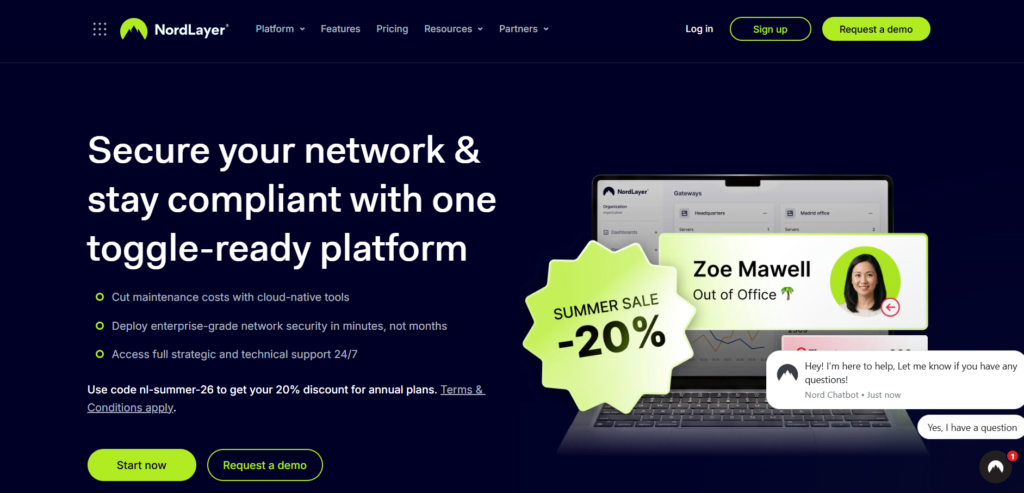
Well-designed apps directly improve Speed and Performance by:
- Reducing loading times between screens
- Optimizing background processes
- Caching frequently used data
- Minimizing unnecessary steps to complete actions
This ensures users can interact with the app quickly and efficiently.
Benefits of Good Ease of Use and Apps
- Faster task completion
- Less learning time for new users
- Better overall user experience
- Higher satisfaction and retention
- Improved accessibility for all users
Tips for Better App Experience
- Keep apps updated to the latest version
- Close unused apps running in the background
- Use devices that meet minimum system requirements
- Enable automatic updates for better performance improvements
Where to Add Images
- After the introduction
- Screenshots showing a clean, simple app interface.
- Key Elements section
- Icons for UI design, navigation, responsiveness, and performance.
- How Apps Improve Speed and Performance
- Visual showing faster transitions between app screens or loading optimization.
- Benefits section
- Infographic with positive outcomes like speed, satisfaction, and ease of use.
- Tips section
- Step-by-step visuals (e.g., updating an app, closing background apps).
Pros and Cons
Pros and Cons (Focus Keyword: Pros and Cons)
Understanding the pros and cons of any topic means looking at both the advantages (pros) and disadvantages (cons). This helps you make balanced and informed decisions instead of focusing on only one side.
What Does “Pros and Cons” Mean?
- Pros: Positive points, benefits, or reasons to support something
- Cons: Negative points, drawbacks, or reasons against something
This method is commonly used in decision-making, comparisons, and evaluations.
Pros (Advantages)
- Helps in making clear and informed decisions
- Encourages critical thinking
- Provides a balanced view of any topic
- Reduces the risk of making biased choices
- Useful for comparing products, services, or ideas
📌 Image suggestion:
Add an image showing a “balanced scale” or “comparison table with pros and cons” here to visually explain the concept.
Cons (Disadvantages)
- Can make decision-making slower
- May oversimplify complex topics
- Sometimes pros and cons are subjective and not universal
- Can lead to analysis paralysis if overused
- Might ignore deeper factors like context or long-term effects
📌 Image suggestion:
Add an image showing a “confused decision-maker” or “overloaded checklist” to represent difficulty in decision-making.
When to Use Pros and Cons
- Choosing between products or services
- Evaluating business decisions
- Comparing study or career options
- Assessing risks before taking action
📌 Image suggestion:
Add an image of a checklist, decision tree, or person comparing two options side by side.
Final Thought
Using pros and cons is a simple but powerful way to evaluate options. It helps bring clarity, but it works best when combined with deeper analysis and context.
If you want, I can also turn this into an SEO blog section, infographic content, or a comparison table format.