

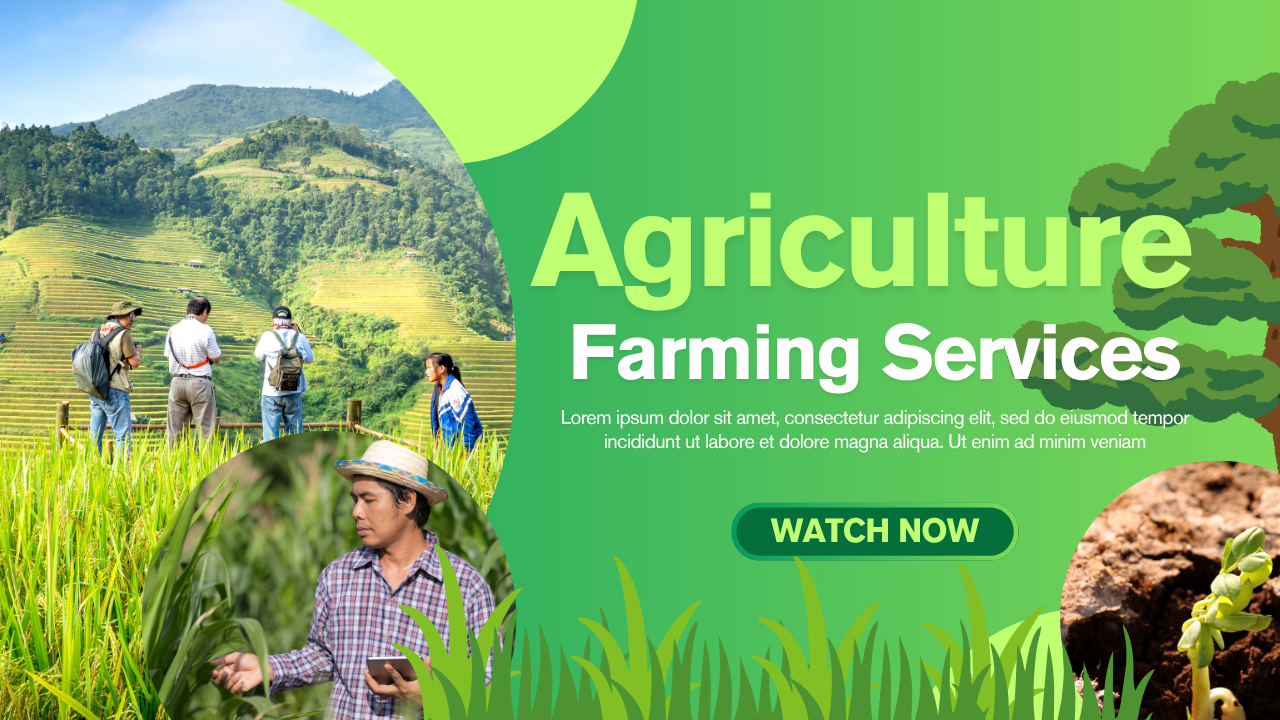
Describtion:Agriculture is the practice of cultivating the land, growing crops, and raising animals to provide food, raw materials, and livelihoods for people. It is one of the oldest and most important human activities, forming the foundation of civilizations and economies around the world. Through agriculture,
1. Define Your Objective
Start by being specific about what you want to achieve:
- Increase crop yield?
- Improve food security?
- Start a profitable farm business?
- Promote sustainable farming?
Example:
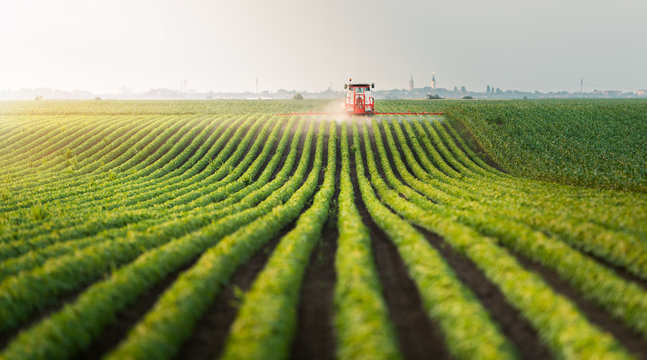
“Increase maize production by 30% in 3 years while reducing water use.”
2. Analyze the Current Situation
Look at the realities on the ground:
- Climate and rainfall patterns
- Soil quality
- Available technology and tools
- Market access
- Challenges (pests, drought, costs)
You can use a simple SWOT analysis:
- Strengths (fertile land, skilled labor)
- Weaknesses (lack of irrigation)
- Opportunities (growing demand)
- Threats (climate change, pests)
3. Identify Key Focus Areas
Break your strategy into core pillars, such as:
- Production (crop selection, livestock, irrigation)
- Technology (modern tools, improved seeds)
- Sustainability (soil conservation, water management)
- Market Access (transport, pricing, storage)
- Finance (funding, cost control)
4. Develop Action Plans
For each focus area, define actions:
Example:
- Introduce drought-resistant crops
- Train farmers in modern techniques
- Build irrigation systems
- Improve storage facilities
Make actions:
- Specific
- Measurable
- Time-bound
5. Resource Planning
Identify what you need:
- Budget
- Equipment
- Labor
- Training programs
6. Implementation Timeline
Create phases:
- Short-term (0–1 year)
- Medium-term (1–3 years)
- Long-term (3–5 years)
7. Monitoring and Evaluation
Track progress using indicators:
- Yield per hectare
- Income levels
- Water usage
- Market sales
Adjust strategy if needed.
8. Risk Management
Plan for uncertainties:
- Drought → irrigation systems
- Pests → integrated pest management
- Price drops → diversify crops
Simple Example Structure
Title: Agricultural Development Strategy (2026–2030)
- Introduction
- Objectives
- Situation Analysis
- Strategic Priorities
- Action Plan
- Budget & Resources
- Implementation Timeline
- Monitoring & Evaluation
- Risk Management
If you want, I can help you turn this into a full written document, or tailor it specifically for Somalia (rain-fed farming, livestock, drought conditions, etc.).