

Describtion.Software engineering is the systematic design, development, testing, and maintenance of software systems. It combines principles from computer science, engineering, and problem-solving to create reliable and efficient applications that meet user needs. Software engineers analyze requirements, write code, and ensure that programs function correctly while being scalable and secure
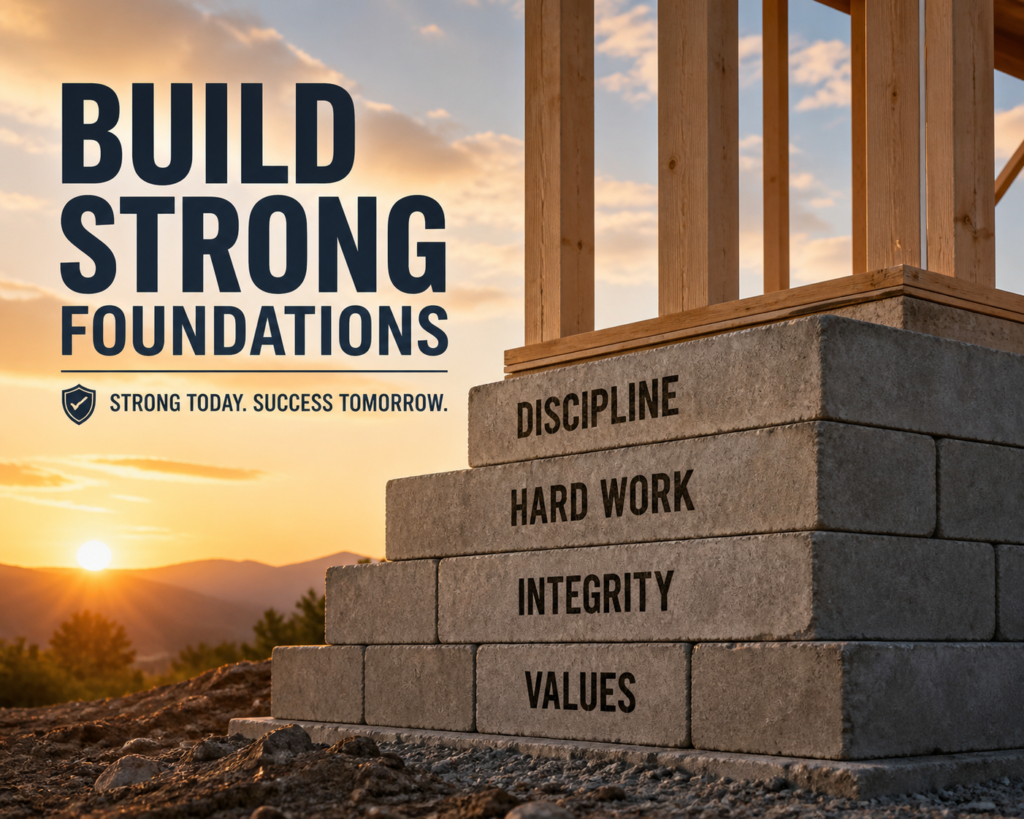
1. Build Strong Foundations
Start with the core concepts that every good engineer relies on:
- Programming basics (pick one main language like Python or JavaScript)
- Data structures & algorithms
- How computers work (memory, CPU, networking basics)
If you skip this, you’ll struggle later when things get complex.
2. Learn by Building (Not Just Watching)
Don’t get stuck in tutorials. Build small projects:
- Calculator app
- To-do list
- Simple website
- API with backend
Then gradually increase complexity:
- Authentication systems
- Real-time apps
- Full-stack projects
Projects are what make you job-ready—not certificates.

3. Choose a Path (Specialize)
Software engineering is broad. Pick one direction:
- Web Development (frontend/backend)
- Mobile Apps
- Data Engineering / AI
- Systems / Backend Engineering
Example tools:
- Frontend: React
- Backend: Node.js
- Databases: PostgreSQL
You can explore first, but eventually focus.

4. Learn Version Control & Collaboration
You must know:
- Git
- Platforms like GitHub
This is how real engineers work together.

5. Practice Problem Solving
Use platforms like:
- LeetCode
- HackerRank
This improves your thinking, not just coding.
6. Understand Real-World Engineering
Go beyond coding:
- Debugging skills
- Writing clean code
- Testing
- System design (for scaling apps)

7. Build a Portfolio
Create a strong profile:
- 3–5 solid projects on GitHub
- Clear README explaining your work
- Live demos if possible
This matters more than your CV in many cases.

8. Stay Consistent (This is the hard truth)
Most people fail because they:
- Jump between topics
- Quit when it gets hard
A realistic plan:
- 2–4 hours daily
- 6+ months minimum for solid skills
9. Learn From Others
Follow good engineers, read code, and study open-source projects. You’ll learn faster than working alone.
10. Apply for Jobs (Earlier Than You Think)
Don’t wait until you feel “perfect.” Start applying when:
- You can build real projects
- You understand basics