


Digital 2026: Beyond Innovation is a forward-looking concept that explores how technology is moving past traditional innovation into a fully connected digital era. It highlights the rise of AI-driven systems, smart
. Define Digitalization in 2026 (Set the Context)
Start by clarifying that digitalization is no longer limited to adopting tools—it’s about full integration of digital systems into everyday life and decision-making.
You might frame it like:
- Transition from “digital adoption” → “digital dependency”
- Data as a core asset (like oil once was)
- Continuous connectivity (cloud, mobile, IoT)
Key Drivers of Digitalization
a. Artificial Intelligence Everywhere
- AI is embedded in business operations, healthcare, education, and governance
- Shift from automation → augmentation of human decision-making

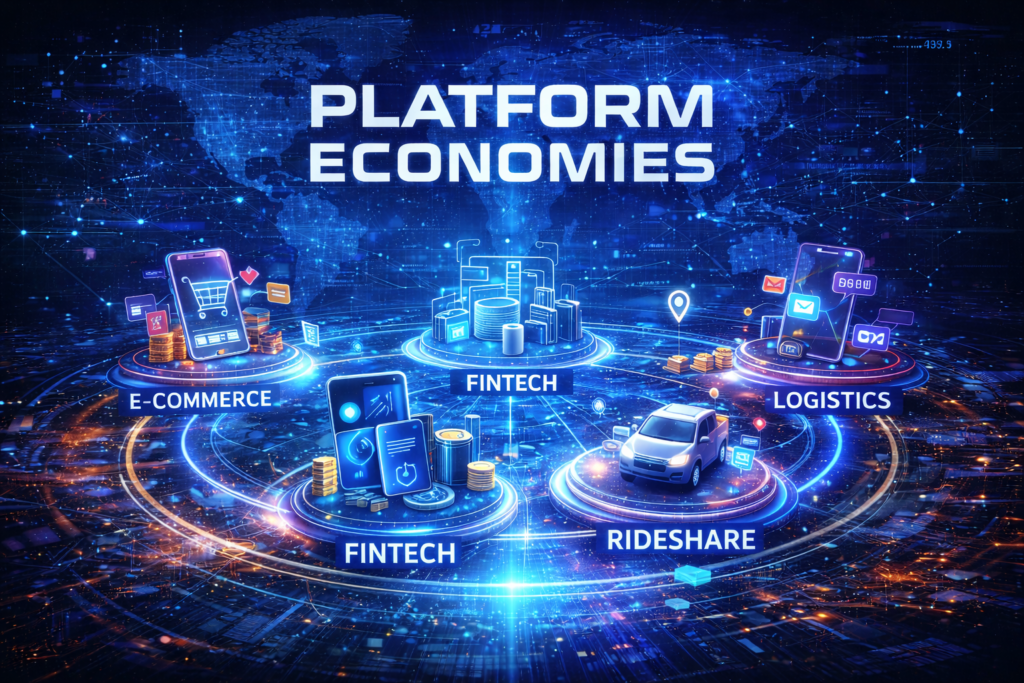
b. Platform Economies
- Rise of digital platforms controlling markets (e-commerce, fintech, logistics)
- Network effects creating dominant ecosystems
c. Data Economy
- Data collection, analytics, and monetization
- Increasing importance of data governance and sovereignty
d. Connectivity Infrastructure
- Expansion of high-speed internet, mobile penetration, satellite networks
- Bridging (or exposing) the digital divide
Sector-Level Transformation
Break your strategy into how digitalization affects major sectors:
Economy & Business
- Digital-first companies outperform traditional ones
- Growth of remote work, gig economy, and digital entrepreneurship

Government & Public Services
- E-government platforms
- Digital identity systems
- Smart cities and surveillance concerns
Education
- Hybrid and online learning becoming standard
- Skills shift toward digital literacy, critical thinking, and adaptability

Healthcare
- Telemedicine, AI diagnostics, digital health records
- Preventive and data-driven care models
4. Opportunities
Highlight the upside clearly:
- Increased efficiency and productivity
- Access to global markets
- Financial inclusion (especially via mobile money)
- Innovation acceleration
5. Risks and Challenges
A good strategy needs realism—don’t skip this section.
- Digital inequality (access gaps between regions and populations)
- Cybersecurity threats
- Data privacy concerns
- Job displacement from automation
- Over-reliance on tech systems (fragility risks)
6. Strategic Priorities (This is your core contribution)
This is where your strategy becomes actionable. For example:
- Invest in digital infrastructure
- Strengthen cybersecurity frameworks
- Build digital skills across all levels of society
- Develop regulatory frameworks for AI and data
- Encourage local innovation ecosystems
7. Regional or Local Angle (Important)
If your strategy is tied to a specific country or region (like Somalia or East Africa), include:
- Mobile-first digital growth
- Role of fintech and mobile payments
- Infrastructure gaps and opportunities
- Youth population as a digital workforce advantage
8. Future Outlook (2026 → 2030+)
End with forward-looking insights:
- Rise of autonomous systems
- Integration of physical and digital worlds (smart environments)
- Increasing importance of digital sovereignty
- Ethical and governance challenge
wow this website is amazing it is the best website the posts are amazing
thanks